
Deer Facts
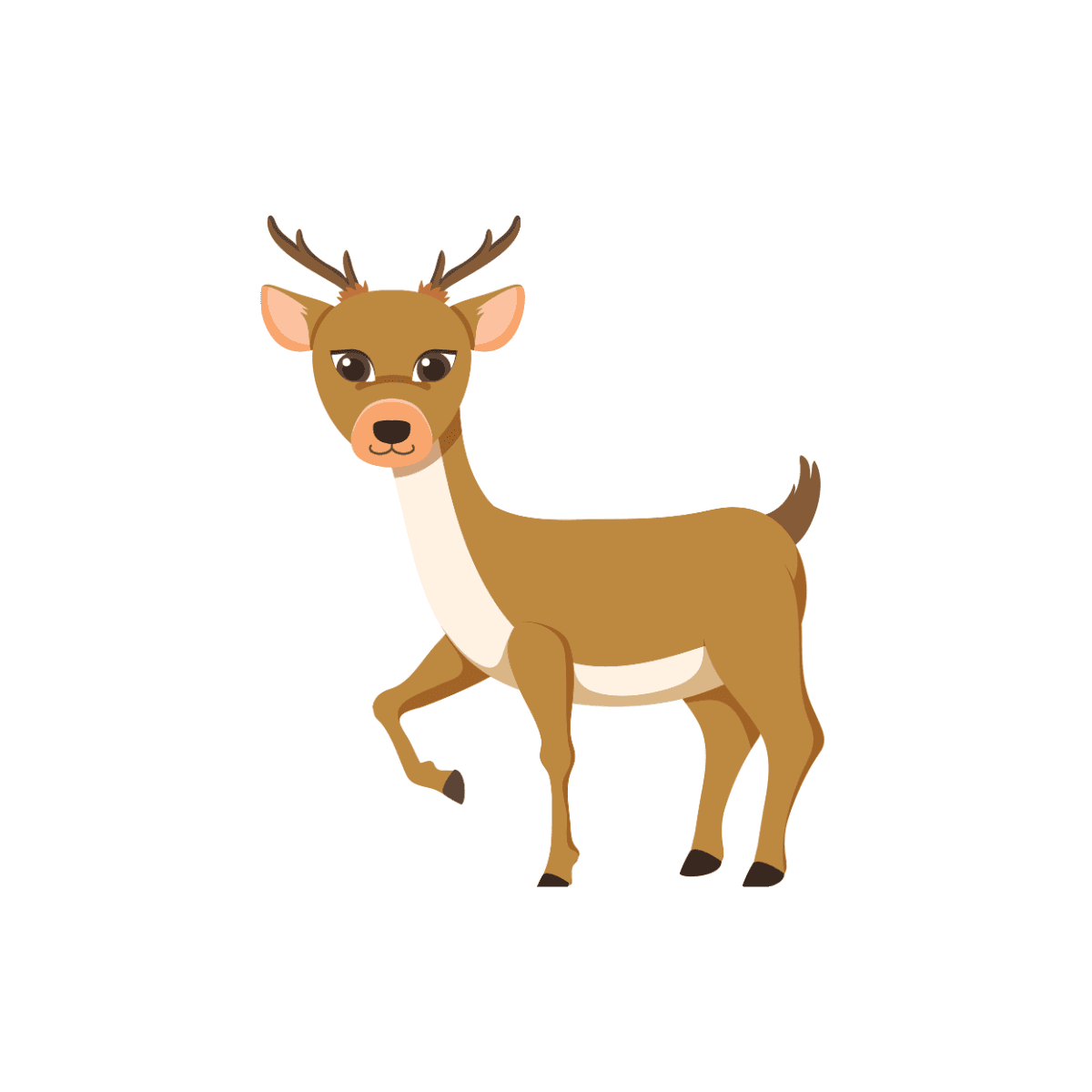
Deer are graceful and gentle animals with soft brown fur and long legs. They have big, alert eyes and often have antlers on their heads, especially the males. Deer are great at running and jumping, which helps them escape from danger in the wild. They live in forests, meadows, and grassy fields where they can find plenty of food like leaves, berries, and grass. Baby deer, called fawns, are born with white spots on their brown fur to help them blend in with their surroundings. Deer are very quiet and use their keen sense of smell and hearing to stay safe. They are beautiful animals that enjoy exploring the woods and fields.
Habitat
Deer live in many different places, but they are most commonly found in forests, meadows, and grassy fields. They like areas with lots of trees and shrubs where they can find food and stay hidden from predators. In forests, deer browse on leaves, twigs, and berries. In open fields and meadows, they graze on grass and plants. Deer also need access to clean water, like streams or ponds, to drink. They often create small paths through the woods as they move from place to place. In winter, some deer migrate to warmer areas with more food. Whether in forests or fields, deer need a safe and comfortable habitat to thrive.
Behavior
Deer are gentle and shy animals that prefer to stay quiet and alert. They are most active during dawn and dusk when they come out to eat. Deer use their keen sense of smell and hearing to stay safe from predators, and they have excellent vision to spot danger. When they sense danger, they quickly run and leap away, using their strong legs to escape. Deer often move in groups called herds, which helps them stay safe and find food together. Baby deer, called fawns, stay close to their mothers for protection. Deer also use their antlers, if they have them, for fighting with other males during mating season. Overall, deer are calm and cautious, making them very careful and attentive animals.
Facts
Explore cool and graceful facts about deer, the swift and gentle forest animals!
01.
Antlers: Antlers are grown annually by male deer (bucks) and are shed and regrown each year. They are used for fighting during the mating season and can be quite large and impressive.
02.
Camouflage: Deer have a natural camouflage with their brown or gray coats, helping them blend into their surroundings and evade predators.
03.
Migratory Behavior: Some deer species, like the caribou (a type of reindeer), undertake long migrations to find food and suitable breeding grounds. This helps them survive harsh winters.
04.
Social Structure: Deer typically live in small herds led by a dominant male (stag or buck). Female deer (does) and their young (fawns) often stick together in groups for safety and companionship.
05.
Adaptations: Deer have keen senses of smell, hearing, and sight, which help them detect predators and find food. They are also agile runners and can reach speeds of up to 30-35 miles per hour.
06.
Deer are excellent swimmers and can easily cross rivers and lakes. Their ability to swim allows them to expand their range and find new sources of food and shelter.