
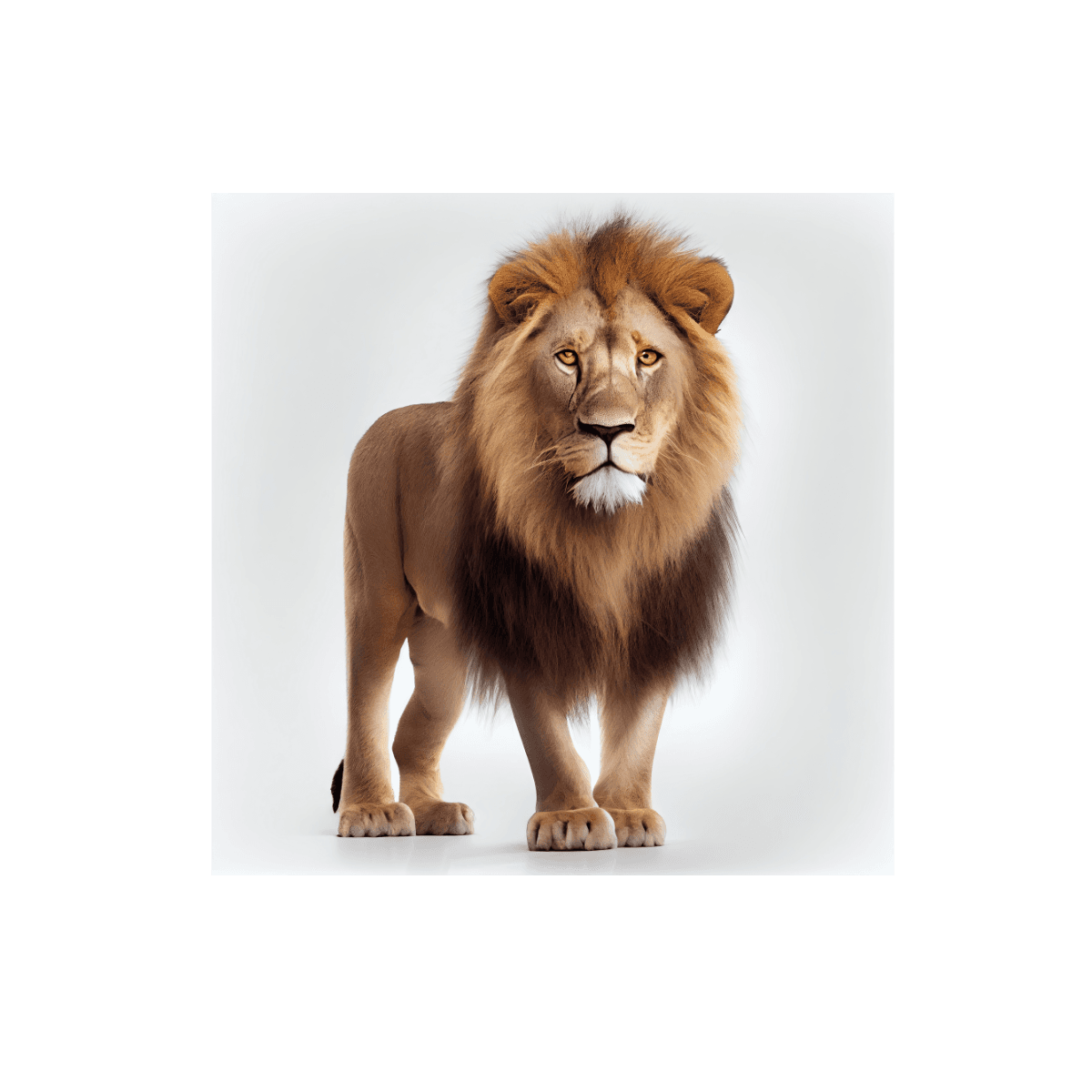
Lion Facts
Lions are powerful and majestic animals often called the King of the Jungle. They live in groups called prides, which usually consist of a few males, several females, and their cubs. Lions are known for their loud roar, which can be heard up to five miles away! Male lions have thick manes of hair around their necks, making them look even more impressive. Lions live mostly in the savannas and grasslands of Africa, where they hunt for food. They are carnivores, which means they eat meat, usually hunting animals like zebras, antelopes, and buffaloes. Female lions, called lionesses, do most of the hunting, while males protect the pride. Lion cubs are very playful and learn to hunt by playing with each other. Lions spend a lot of time resting and can sleep up to 20 hours a day. They are very social animals, and members of a pride show affection by rubbing heads and grooming each other. Lions are an important part of the ecosystem, helping to keep the populations of other animals in balance. Protecting lions and their habitats is essential to ensure these magnificent creatures can continue to thrive.
Habitat
Lions primarily live in the savannas, grasslands, and open woodlands of Africa. These habitats provide the open spaces and abundant prey that lions need to thrive. In these regions, lions can find animals like zebras, antelopes, and wildebeests to hunt. Lions prefer areas with some trees or shrubs for shade and cover, as they need to hide while stalking their prey and find places to rest. They often stay near water sources like rivers or watering holes, as both they and their prey need water to survive. While most lions live in Africa, a small population of Asiatic lions can be found in the Gir Forest of India. This forest provides a mix of dry scrubland and open areas where these lions can hunt and find shelter. Protecting these habitats is crucial because lions need large territories to find enough food and water. Habitat loss due to human activities like farming and urban development is one of the biggest threats to lions. By preserving these natural areas, we can help ensure that lions continue to have a home where they can live and thrive.
Behavior
Lions are social animals known for living in groups called prides. A pride typically consists of a few adult males, several females, and their cubs. The lionesses in the pride are usually related and work together to hunt and care for the young. Female lions do most of the hunting, usually at night or early in the morning, working together to catch prey like zebras and wildebeests. Male lions protect the pride and their territory from other males. Lions communicate with each other using a variety of sounds, including roars, grunts, and growls. Their roar can be heard up to five miles away and is used to warn off intruders and communicate with pride members. Lions are also very affectionate within their pride, often seen rubbing heads, licking each other, and playing. Lion cubs are playful and learn hunting skills through play. Lions spend a lot of time resting and can sleep up to 20 hours a day to conserve energy for hunting. This social structure and behavior help lions survive and thrive in the wild.
Facts
Discover fascinating and fun facts about lions, the kings of the jungle!
01.
Mane: Male lions have a mane, which is a thick, bushy collar of hair around their neck. The mane makes them appear larger and more intimidating, which helps them in fights and attracts females.
02.
Roar: A lion's roar can be heard up to 5 miles (8 kilometers) away. Roaring helps lions communicate with each other and establish territory.
03.
Diet: Lions are carnivores and primarily hunt large herbivores like zebras, wildebeests, and buffalo. Female lions do most of the hunting, usually working together to catch prey.
04.
Speed: Lions can run at speeds of up to 50 miles per hour (80 kilometers per hour) but only for short distances. They rely on stealth and teamwork to catch their prey.
05.
Life Span: In the wild, lions live for about 10-14 years. In captivity, they can live longer, often reaching up to 20 years.
06.
Lions can sleep up to 20 hours a day, conserving energy for hunts. Their roars can be heard up to 5 miles away, aiding communication within prides.