
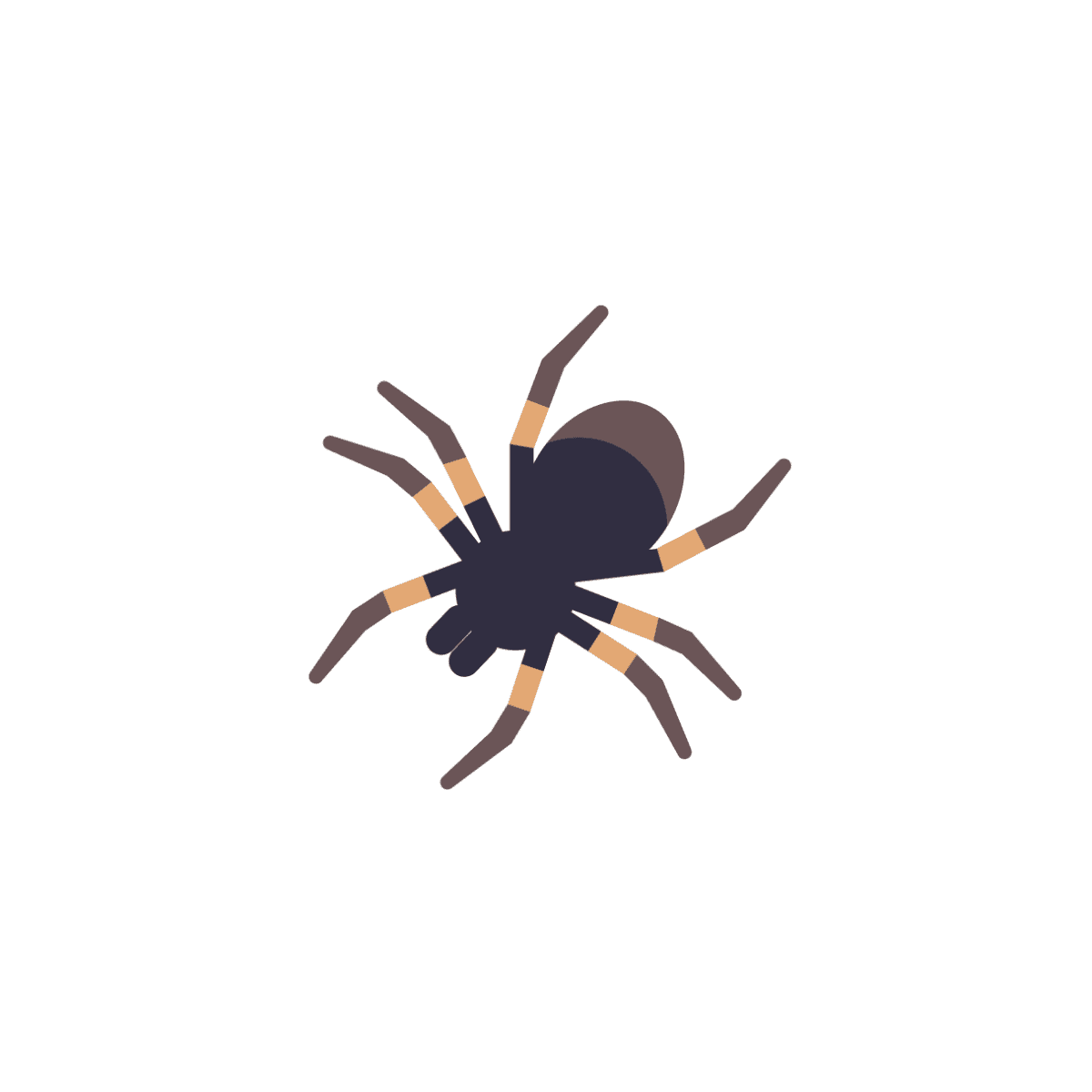
Spider Facts
Spiders are interesting little creatures with eight legs and often a lot of curiosity! They are not insects, but they belong to a special group called arachnids. Spiders come in many sizes and colors, and they make webs to catch their food. These webs are like sticky traps that help spiders catch flies and other small insects. Spiders spin their webs using silk from special parts of their bodies. They use their webs to stay safe, find food, and even make homes. Not all spiders make webs; some hunt for their food or hide in places like under rocks. Spiders have eight eyes and can see very well, helping them find their prey. Even though some spiders might look scary, they are usually harmless and help keep other insect numbers down. By learning about spiders, we can see how they play an important role in nature and why it’s good to let them be!
Habitat
Spiders can live in many different places, but they often make their homes in quiet, hidden spots. You might find them in corners of rooms, under leaves, or in the cracks of walls and fences. Some spiders spin webs to catch food like flies and insects; they build their webs in places where they can easily catch their prey, like in gardens, forests, or even inside houses. Other spiders don’t make webs; they hide in holes or under rocks and leaves. Spiders like to be in places where they can find food and stay safe. They are great at hiding and can move quickly when they need to. Spiders help by catching pesky insects, so they are useful for keeping our homes and gardens tidy!
Behavior
Spiders are interesting creatures that spin beautiful webs to catch their food. They use their silk to make these webs, which they use to trap insects like flies and mosquitoes. Spiders don’t have wings, so they walk on eight legs to explore their surroundings. They are very careful and use their web to keep their homes clean and safe. Some spiders like to hide in dark places or under leaves, while others build their webs in corners or on plants. When they catch food in their webs, they quickly move to wrap it up and eat it later. Spiders can also climb walls and ceilings using their sticky feet. Even though they might look a bit scary, they help keep bugs away and are a big part of nature’s balance!
01.
Silk Production: Spiders produce silk from spinnerets located at the rear of their abdomen. Silk is used for webs, egg sacs, and safety lines.
02.
Variety of Webs: Spiders spin different types of webs—orb webs for catching flying insects, funnel webs for ground-dwelling prey, and cobwebs for shelter.
03.
Life Span: Spider lifespans vary widely by species. Some live only a year, while others, like tarantulas, can live for decades.
04.
Parental Care: Some spider species exhibit parental care, with females guarding eggs or young spiderlings until they can fend for themselves.
05.
A fun fact about spiders is that some species, like the peacock spider, perform elaborate courtship dances to attract mates. These dances involve intricate movements and vibrant displays of color on their abdomens.